Archives
- 2026-08
- 2026-07
- 2026-06
- 2026-05
- 2026-04
- 2026-03
- 2026-02
- 2026-01
- 2025-12
- 2025-11
- 2025-10
- 2025-09
- 2025-03
- 2025-02
- 2025-01
- 2024-12
- 2024-11
- 2024-10
- 2024-09
- 2024-08
- 2024-07
- 2024-06
- 2024-05
- 2024-04
- 2024-03
- 2024-02
- 2024-01
- 2023-12
- 2023-11
- 2023-10
- 2023-09
- 2023-08
- 2023-07
- 2023-06
- 2023-05
- 2023-04
- 2023-03
- 2023-02
- 2023-01
- 2022-12
- 2022-11
- 2022-10
- 2022-09
- 2022-08
- 2022-07
- 2022-06
- 2022-05
- 2022-04
- 2022-03
- 2022-02
- 2022-01
- 2021-12
- 2021-11
- 2021-10
- 2021-09
- 2021-08
- 2021-07
- 2021-06
- 2021-05
- 2021-04
- 2021-03
- 2021-02
- 2021-01
- 2020-12
- 2020-11
- 2020-10
- 2020-09
- 2020-08
- 2020-07
- 2020-06
- 2020-05
- 2020-04
- 2020-03
- 2020-02
- 2020-01
- 2019-12
- 2019-11
- 2019-10
- 2019-09
- 2019-08
- 2019-07
- 2019-06
- 2019-05
- 2019-04
- 2018-11
- 2018-10
- 2018-07
-
br Conclusion Determining whether the multiple putative alga
2021-08-25
Conclusion Determining whether the multiple putative algal DGAT isoforms are functional DGATs via biochemical assays will be vital in our effort to genetically engineer algae to produce TAG on a large enough scale to make biodiesel production viable. As can be seen in O. tauri, it is possible tha
-
Multiple protein species are known to naturally exist for
2021-08-25
Multiple protein species are known to naturally exist for the transmembrane receptors DDR1 and DDR2. Five splice variants have been characterized for DDR1 (“a” through “e”). The d and e isoforms lack the intracellular kinase domain of DDR1. The splicing of DDR1 to various extents has been reported i
-
protease inhibitor cocktail br Conclusion The results of the
2021-08-25
Conclusion The results of the present study demonstrate that cysteinyl leukotrienes LTC4, LTD4 and LTE4 cause moderate to marked whereas the dihydroxy leukotriene LTB4 causes small muscle contraction in the stomach in vitro. The LTD4-induced contraction is mediated by CysLT1 in fundus but by CysL
-
CYP A is involved in the enzymatic oxidation of
2021-08-25
CYP3A is involved in the enzymatic Phusion high-fidelity DNA polymerase of many therapeutic agents [29]. The activity of BFCOD has been used to monitor CYP3A activity in humans [30], pigs [31], mice [32], and fish [23]. The predominant isoform expressed in the human liver is CYP3A4 [33]. In pigs, C
-
Midazolam oral clearance is used for characterization
2021-08-25
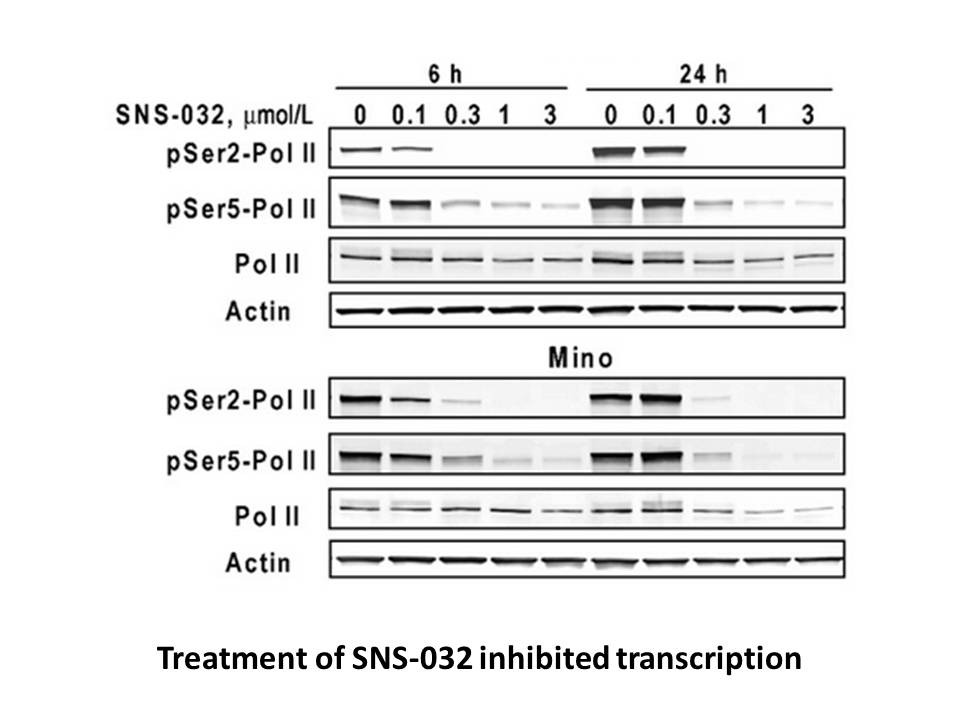
Midazolam oral clearance is used for characterization of both intestinal and hepatic CYP3A activity. However, the identification and subsequent use of metabolic markers of CYP3A activity can eliminate the need for unnecessary administration of probe drugs such as midazolam. Such metabolic markers wo
-
Proteins that associate to PCNA are characterized by having
2021-08-25
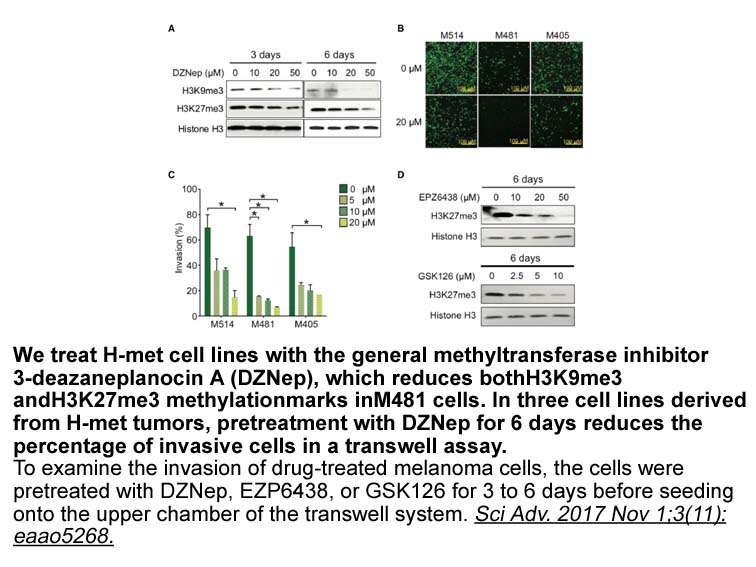
Proteins that associate to PCNA are characterized by having conserved motifs as the PCNA-interacting protein (PIP) motif [29,30], its variant PIP-like motif [31,32] or the APIM motif (Alk B homologue 2 PCNA interacting motif [33,34]); for instance, p21 contains a PIP motif [30], and DNA polymerases
-
Finally considering the encouraging inhibitory and selectivi
2021-08-24
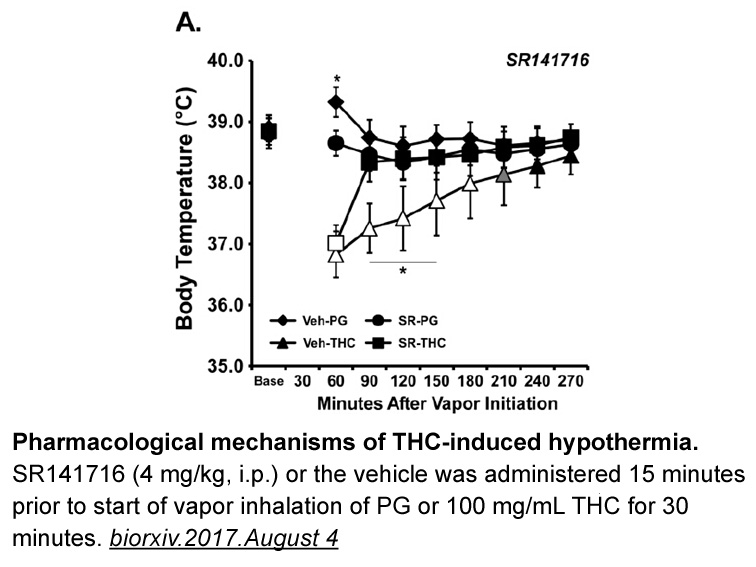
Finally, considering the encouraging inhibitory and selectivity properties of compound and against isolated CK1δ, we have also acquired a very preliminary cytotoxicity profile on human ovarian carcinoma cell line (2008) and on its cisplatin-resistant clone (C13). Results showed that after 48h of exp
-
More recently it was discovered that BChE hydrolyzes the neu
2021-08-24
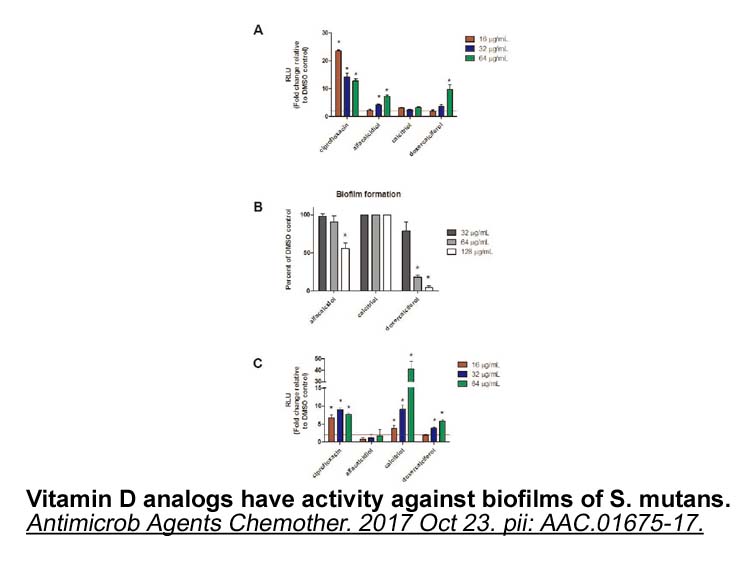
More recently, it was discovered that BChE hydrolyzes the neuropeptide gut hormone, ghrelin [25], [26], [27], [28]. Nonetheless, because the enzyme reaction is very slow, those who first reported this finding were initially reluctant to attribute a real physiological role for that phenomenon. Our ow
-
We have previously reported the
2021-08-24
We have previously reported the characterization of A-127722, a novel, non-peptide endothelin antagonist that displays very high affinity binding (K=69 pM) with a more than 1000-fold greater affinity for human endothelin ETA than ETB receptor. Although A-127722 is >1000-fold more selective for endot
-
Studies of nuclear transplantation of diploid imprint free P
2021-08-24
Studies of nuclear transplantation of diploid imprint-free PGCs have shown that the reconstituted oocytes developed to day 9.5 of gestation, with severely retarded embryos and abnormal placentae (Kato et al., 1999). We also reported that MII oocyte injection of imprint-free phESCs without imprinted
-
In different body organs a number
2021-08-24
In different body organs, a number of biological functions are generally mediated by binding of the extracellular substances to the particular transmembrane receptors, which results in subsequent signal stimulation by intracellular signaling cascades. These cascades function over the complex network
-
br Materials and methods br Results br
2021-08-24
Materials and methods Results Discussion It has been demonstrated that up-regulation of EPHB4 impaired trophoblast migration and invasion during placentation, which may contribute to the pathogenesis of preeclampsia [11], [24]. However, the upstream regulating mechanism of EPHB4 expression
-
The purpose of this study is to investigate
2021-08-24
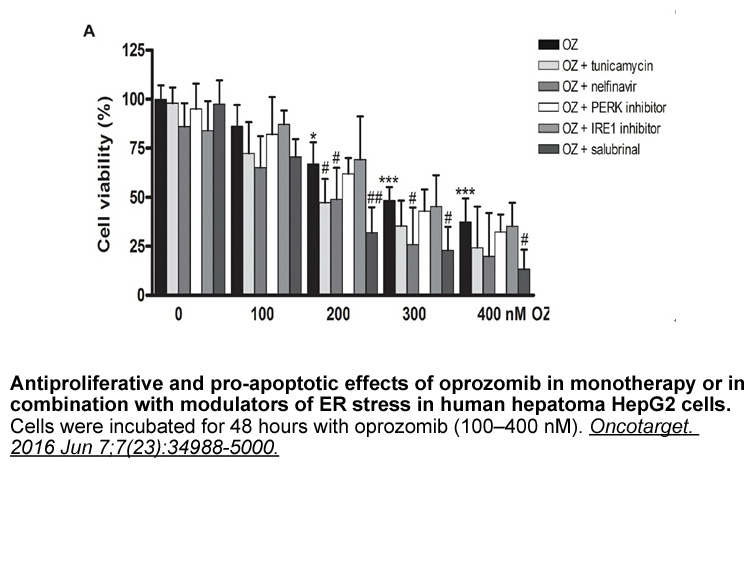
The purpose of this study is to investigate KDM1B expression and its functional significance in PC. We used lentivirus-mediated shRNA to down-regulate KDM1B expression in PC cell lines in vitro and detected the changes of cell proliferation and apoptosis. These studies provided a novel insight into
-
In studies directed toward the
2021-08-24
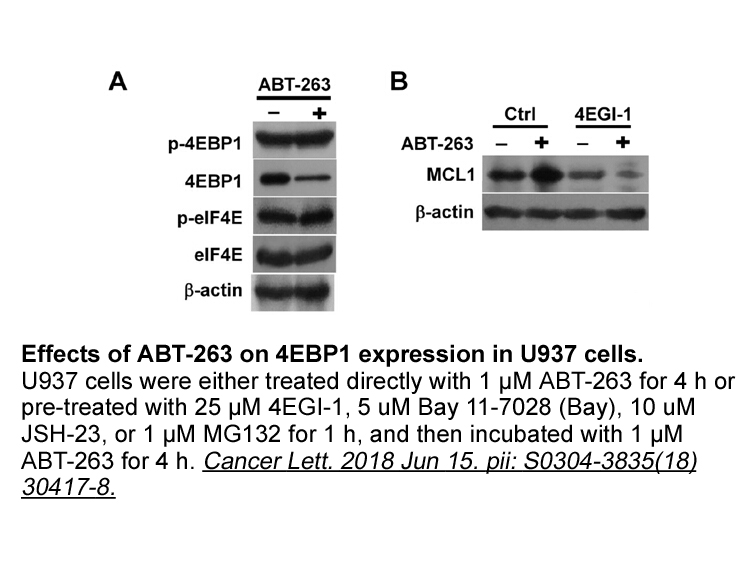
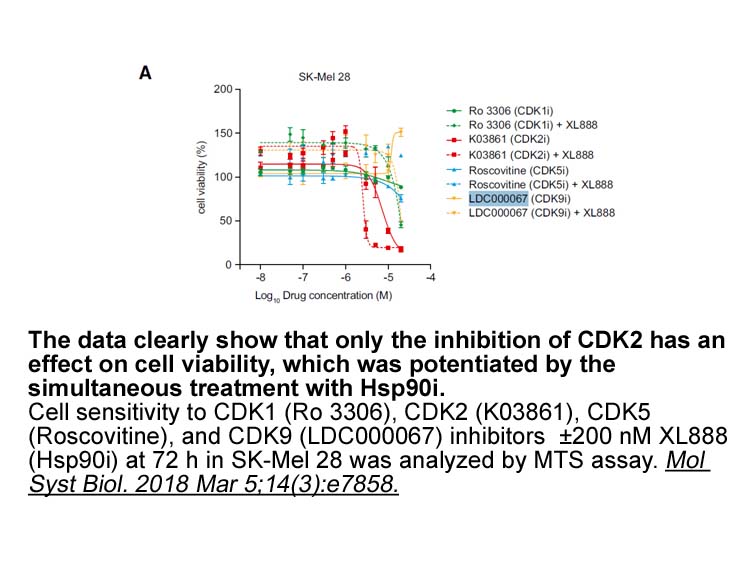
In studies directed toward the development of sequence-specific major-groove binding small LDC000067 [11], we desired a non-intercalating molecular scaffold that could direct attached moieties into the major groove. As an initial step toward this goal, we wished to study the DNA binding mode and af
-
DDR is characterized by an N terminal discoidin domain
2021-08-23
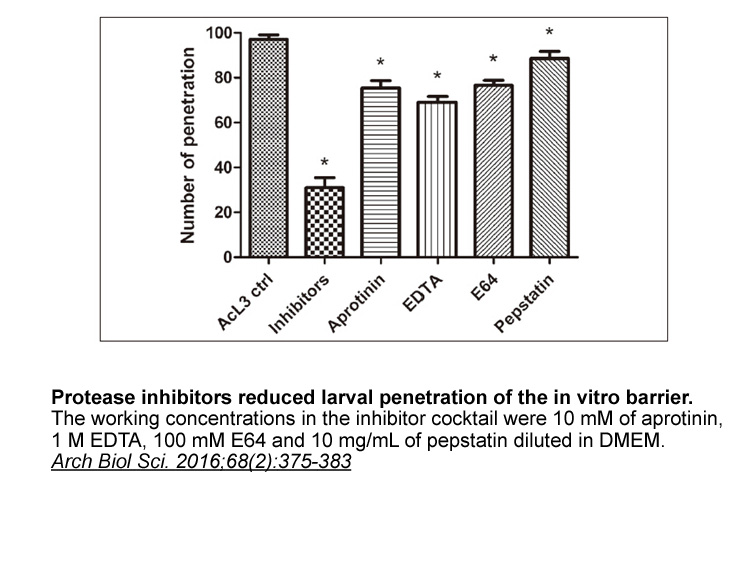
DDR2 is characterized by an N-terminal discoidin domain and a C-terminal kinase domain [7]. Characteristics of DDR1, which is a homologue of DDR2, have been extensively investigated in terms of expression level in cancer tissues and biological functions in normal and cancer cell conditions, but char
16736 records 633/1116 page Previous Next First page 上5页 631632633634635 下5页 Last page