Archives
- 2026-08
- 2026-07
- 2026-06
- 2026-05
- 2026-04
- 2026-03
- 2026-02
- 2026-01
- 2025-12
- 2025-11
- 2025-10
- 2025-09
- 2025-03
- 2025-02
- 2025-01
- 2024-12
- 2024-11
- 2024-10
- 2024-09
- 2024-08
- 2024-07
- 2024-06
- 2024-05
- 2024-04
- 2024-03
- 2024-02
- 2024-01
- 2023-12
- 2023-11
- 2023-10
- 2023-09
- 2023-08
- 2023-07
- 2023-06
- 2023-05
- 2023-04
- 2023-03
- 2023-02
- 2023-01
- 2022-12
- 2022-11
- 2022-10
- 2022-09
- 2022-08
- 2022-07
- 2022-06
- 2022-05
- 2022-04
- 2022-03
- 2022-02
- 2022-01
- 2021-12
- 2021-11
- 2021-10
- 2021-09
- 2021-08
- 2021-07
- 2021-06
- 2021-05
- 2021-04
- 2021-03
- 2021-02
- 2021-01
- 2020-12
- 2020-11
- 2020-10
- 2020-09
- 2020-08
- 2020-07
- 2020-06
- 2020-05
- 2020-04
- 2020-03
- 2020-02
- 2020-01
- 2019-12
- 2019-11
- 2019-10
- 2019-09
- 2019-08
- 2019-07
- 2019-06
- 2019-05
- 2019-04
- 2018-11
- 2018-10
- 2018-07
-
Eleutherococcus senticosus Rupt Maxim Maxim is a shrub belon
2021-06-19
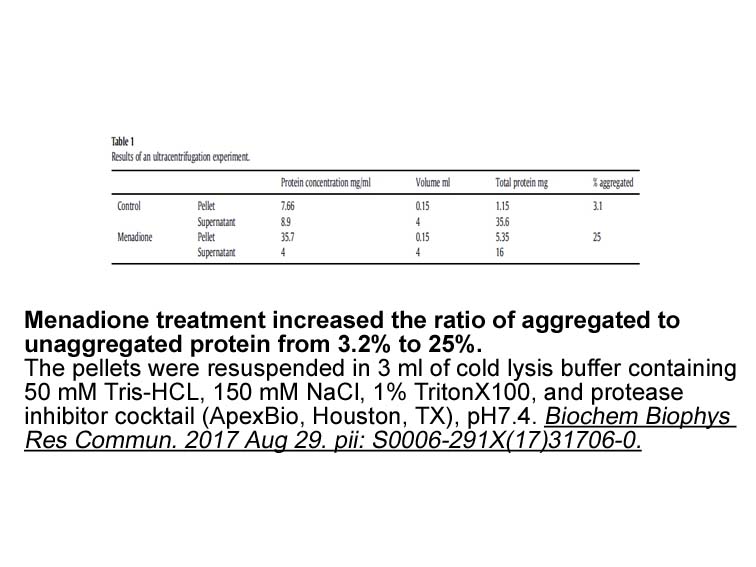
Eleutherococcus senticosus (Rupt. & Maxim.) Maxim is a shrub belonging to the Araliaceae, which is commonly distributed in China, Korea, Japan and Russia. It has been traditionally used as folk medicine for the treatment of rheumatism, diabetes, and hepatitis (Nan et al., 2004). Recent phytochemical
-
Collectively the results presented here
2021-06-19
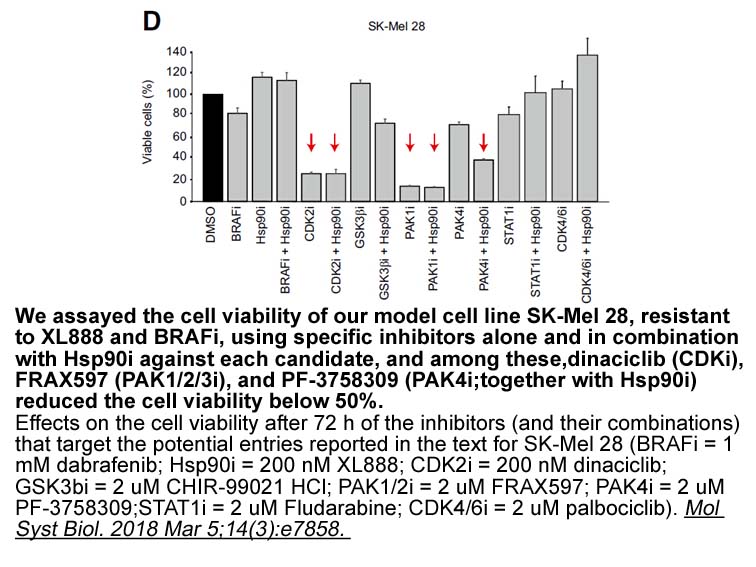
Collectively, the results presented here provide new insights into ligand binding, clustering, spatial distribution, and phosphorylation of DDR1b and DDR2 in response to soluble collagen I. As depicted in the cartoon of Scheme 1, we postulate a model in which the spatial distribution and assembly of
-
Various domains of DDR have been shown
2021-06-19
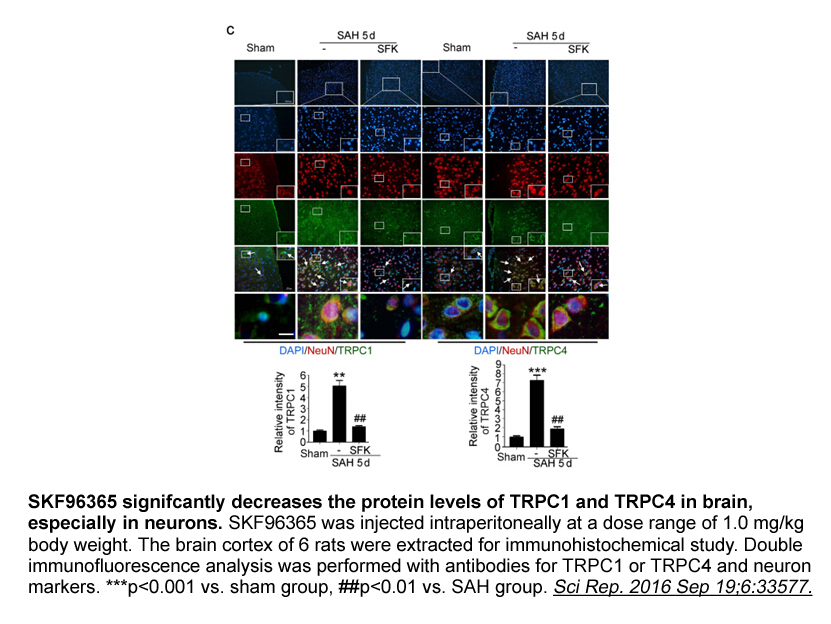
Various domains of DDR1 have been shown to be important for receptor clustering and its oligomeric status. It is now understood that (i) dimerization [7] and higher-order oligomerization [12], [18] of the DDR1 extracellular domain (ECD) enhance its binding to collagen; (ii) DDR1 exists as non-covale
-
In Hevea brasiliensis both the soluble PPase and the
2021-06-19
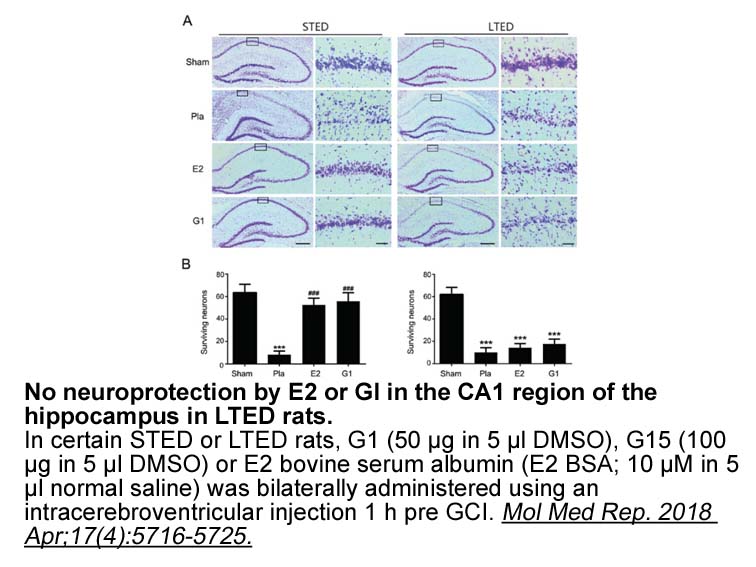
In Hevea brasiliensis, both the soluble PPase and the membrane-bound V-PPase are present in the latex; the soluble PPase is in the C-serum (cytosol) of the latex [6] and the V-PPase is on the tonoplast of the lutoid, a special vacuole in the laticifers of rubber trees [7]. The V-PPase on the lutoid
-
Cysteine protease inhibitors representing several chemical s
2021-06-19
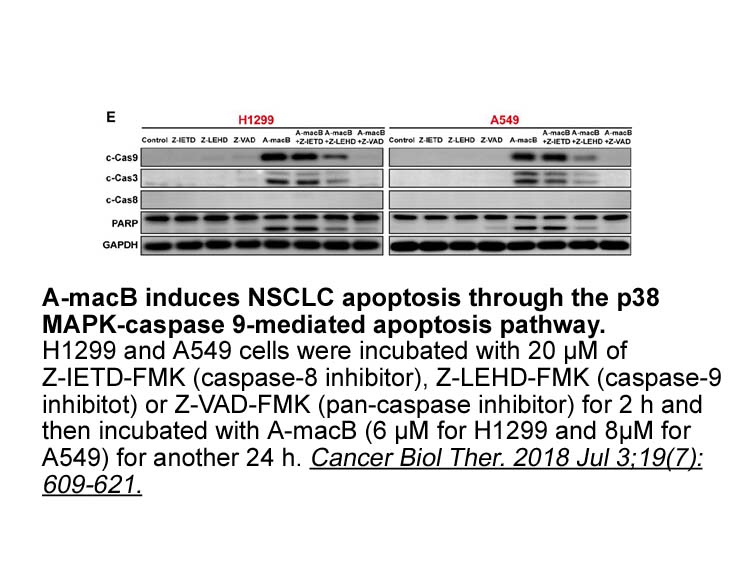
Cysteine protease inhibitors representing several chemical scaffold types are effective in halting parasite replication without toxicity to the host (Renslo and McKerrow, 2006). A vinyl sulfone cysteine protease inhibitor, K11777, is completing final Good Laboratory Practice (GLP) preclinical tests
-
br Acknowledgement br Introduction Recent developments in ca
2021-06-18
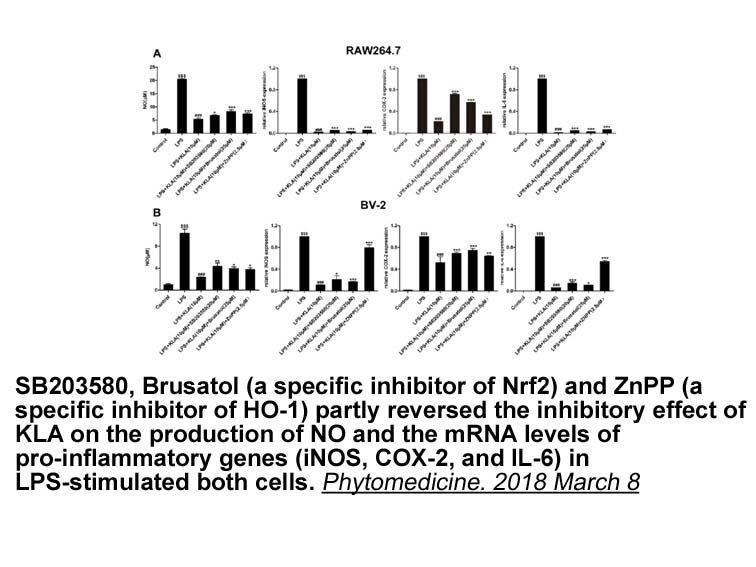
Acknowledgement Introduction Recent developments in cancer immunotherapies have demonstrated durable responses, suggesting that effective immunotherapy would hold promise to improve patient outcome (Gunturu et al., 2013; Hodi et al., 2003; Lutz et al., 2011; Ribas et al., 2009). However, attem
-
Nicotine is the main psychoactive component of
2021-06-18
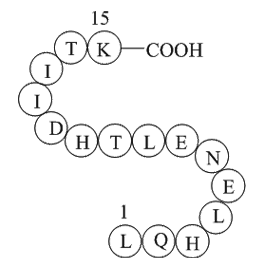
Nicotine is the main psychoactive component of tobacco that causes addiction. Besides the regulation of the stress responses, CRF has been implicated in nicotine addiction based on several lines of evidence (Bruijnzeel and Gold, 2005, Sarnyai et al., 2001). First, acute administration of nicotine, l
-
Previous research has suggested that the acetylcholine
2021-06-18
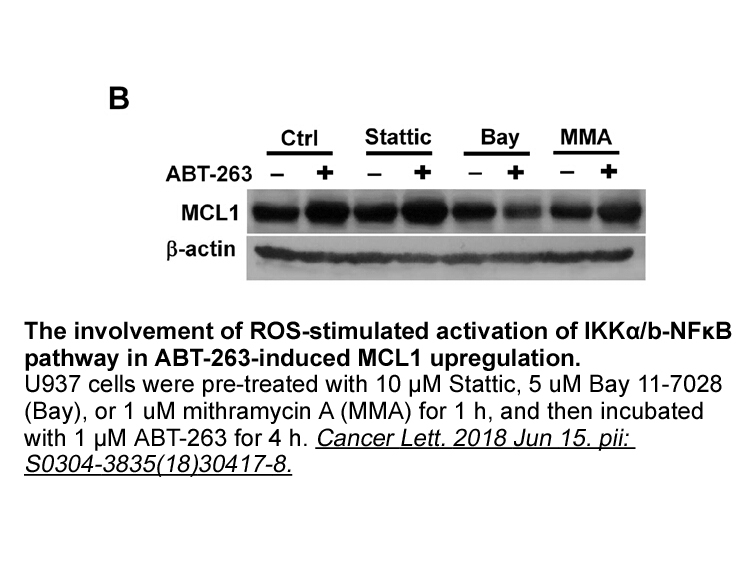
Previous research has suggested that the acetylcholine-gated chloride channels (ACCs) in Caenorhabditis elegans (Putrenko et al., 2005) exhibit the characteristics of promising drug targets. The genes that encode the various subunits of this family are present across the nematode phylum and appear t
-
In summary this is the first report
2021-06-18
In summary, this is the first report describing the enzymatic characteristics, binding activity and localization of T. solium enolase. Here we demonstrate that Tseno gene possesses classical features of enolase family with highly conserved active sites, Mg2+ binding and plasminogen-binding motifs. T
-
In addition to EGFR other receptor tyrosine kinases RTKs als
2021-06-18
In addition to EGFR, other receptor tyrosine kinases (RTKs) also play roles in the tumor progression under hypoxia, especially hepatocyte growth factor receptor (cMet) (Le et al., 2012). Our data suggested that unlike EGFR, hypoxia had no apparent effect on cMet Nimodipine (data not shown), suggest
-
br Analytical improvements Since our review of Oxysterol Met
2021-06-18
Analytical improvements Since our review of “Oxysterol Metabolomes” in 2011 [7], there have been a number of improvements in analytical methods for the analysis of oxysterols and related compounds. McDonald and colleagues in Dallas have refined their LC-MS methods which are now applicable for ana
-
br Materials and methods br Results
2021-06-18
Materials and methods Results and discussion Conclusions Data about the ability of non-conventional ligands to operate class-A GPCRs have been accumulating. Specifically, increasing evidence indicates that oxysterols, oxidized derivatives of cholesterol, are involved in many activities that
-
ABH expression is elevated in prostate
2021-06-18
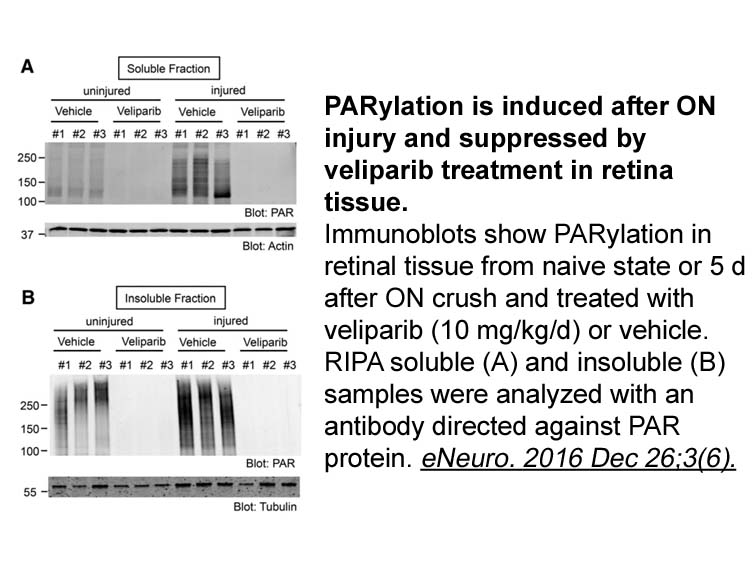
ABH3 expression is elevated in prostate carcinomas and has been referred to as prostate cancer antigen-1 or PCA-1. ABH3/PCA-1 was proposed as a diagnostic marker for prostate cancers, and suggested as a possible therapeutic target [82]. However, the recent studies of ABH2 and ABH3-null mice indicate
-
DGK is also involved in cell differentiation
2021-06-18
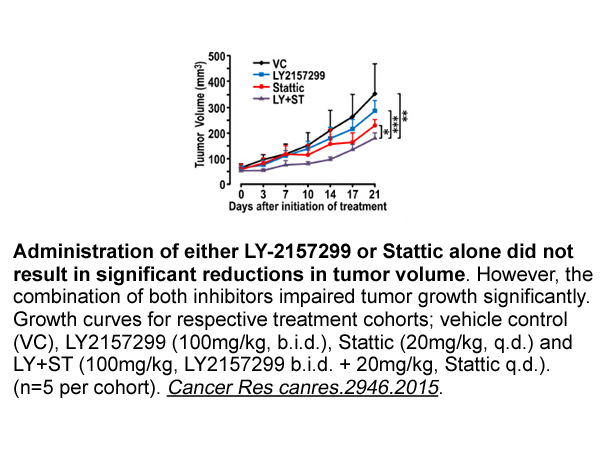
DGKδ is also involved in cell differentiation. Previously, to investigate the physiological roles of DGKδ, DGKδ-deficient mice have been generated. On the basis of the analysis of DGKδ-deficient mice, Crotty et al. reported that DGKδ regulates the epidermal growth factor receptor (EGFR) pathway by a
-
Introduction Tumor necrosis factor TNF is a pro inflammatory
2021-06-17
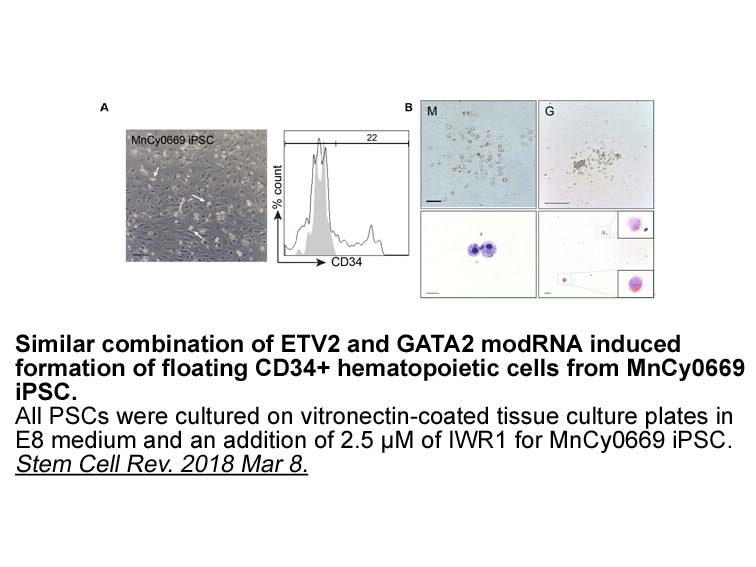
Introduction Tumor necrosis factor (TNF) is a pro-inflammatory mediator with the capacity to induce apoptosis (Benderska et al., 2012). Recent reports have shown that TNF might trigger cell death, at least in part, by directly affecting the reorganization of the aspartame products receptor cytoske
16737 records 670/1116 page Previous Next First page 上5页 666667668669670 下5页 Last page