Archives
- 2026-08
- 2026-07
- 2026-06
- 2026-05
- 2026-04
- 2026-03
- 2026-02
- 2026-01
- 2025-12
- 2025-11
- 2025-10
- 2025-09
- 2025-03
- 2025-02
- 2025-01
- 2024-12
- 2024-11
- 2024-10
- 2024-09
- 2024-08
- 2024-07
- 2024-06
- 2024-05
- 2024-04
- 2024-03
- 2024-02
- 2024-01
- 2023-12
- 2023-11
- 2023-10
- 2023-09
- 2023-08
- 2023-07
- 2023-06
- 2023-05
- 2023-04
- 2023-03
- 2023-02
- 2023-01
- 2022-12
- 2022-11
- 2022-10
- 2022-09
- 2022-08
- 2022-07
- 2022-06
- 2022-05
- 2022-04
- 2022-03
- 2022-02
- 2022-01
- 2021-12
- 2021-11
- 2021-10
- 2021-09
- 2021-08
- 2021-07
- 2021-06
- 2021-05
- 2021-04
- 2021-03
- 2021-02
- 2021-01
- 2020-12
- 2020-11
- 2020-10
- 2020-09
- 2020-08
- 2020-07
- 2020-06
- 2020-05
- 2020-04
- 2020-03
- 2020-02
- 2020-01
- 2019-12
- 2019-11
- 2019-10
- 2019-09
- 2019-08
- 2019-07
- 2019-06
- 2019-05
- 2019-04
- 2018-11
- 2018-10
- 2018-07
-
As the first allotetraploid fish in
2020-05-29
As the first allotetraploid fish in the world, our lab selectively breed the allotetraploid hybrid fish (4nAT, 4n = 200) from the distant hybridization offspring F3 of female Red Crucian Carp (Carassius auratus red var., abbreviated as RCC, 2n = 100) and male Common Carp (Cyprinius carpio L., abbrev
-
To further determine the cell death the cells
2020-05-29
To further determine the cell death, the CW069 in flasks were harvested after OGD or LTD4 treatment, washed twice with PBS, and evaluated with Annexin V (AV)-FITC apoptosis detection kit I (BD Biosciences Pharmingen, USA) on a flow cytometer (FACSCalibur, Becton–Dickinson, USA). Briefly, 106 cells p
-
Previous study showed that CXCR plays an important
2020-05-29
Previous study showed that CXCR plays an important role in viral infection and that CXCR1, as an important molecule in CXCR, also plays important roles in viral pathogenesis [[39], [40], [41], [42]]. In mammals, CXCR1 plays an important role in resisting viral infection [43,44], and CXCR1 plays an i
-
ddhC Ethyl naphthoates a h were successfully reduced to naph
2020-05-28
Ethyl 1-naphthoates (10a–h) were successfully reduced to 1-naphthylmethanols (12a–h) by using LiAlH4 with 8–87% yields. Then PCC was used to convert the alcohols into the corresponding 4-alkyl-1-naphthaldehyde derivatives (13a–h) with relatively higher yields (58–90%) as represented in Scheme 2. The
-
Thyroid Hormone Receptor Antagonist (1-850) On the basis of
2020-05-28

On the basis of the findings described above, a series of heterotricyclic analogs were designed and synthesized. The human CRF1 receptor binding and antagonist activity data for newly designed heterotricyclic core antagonists 28–33 are described in Table 3. Most of the tricyclic core analogs listed
-
br Proposed methodology At the outset the wind
2020-05-28

Proposed methodology At the outset, the wind power outputs must be obtained which are to be included in the OPF model. This work utilizes a modified version of the simulation method. Rather than using the simulated wind power values for each hour of the year, the probability of each wind power in
-
Although the mechanisms underlying the EP mediated
2020-05-28
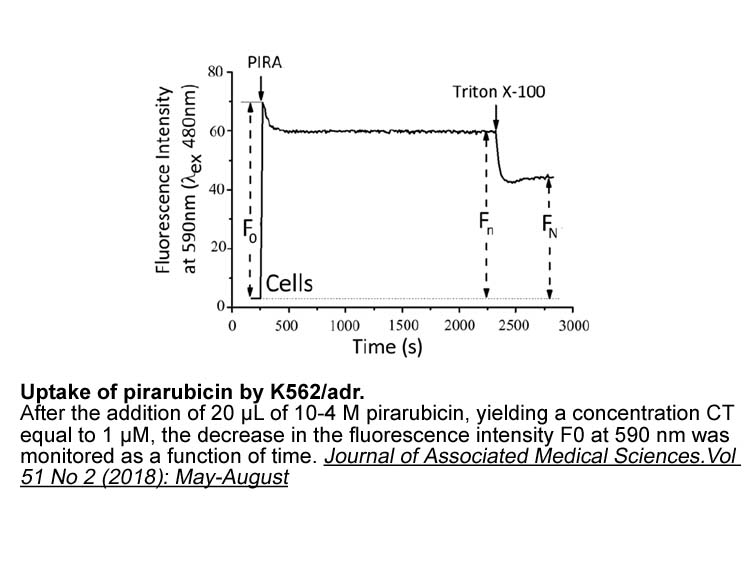
Although the mechanisms underlying the EP4-mediated increase in the frequency of mEPSCs via PGE2 remain unclear, mechanisms similar to those driven by EP2 may be involved because activation of both these receptor subtypes increases the intracellular concentration of cAMP (Nishigaki et al., 1995, Sug
-
During the entire life of individual articular
2020-05-28
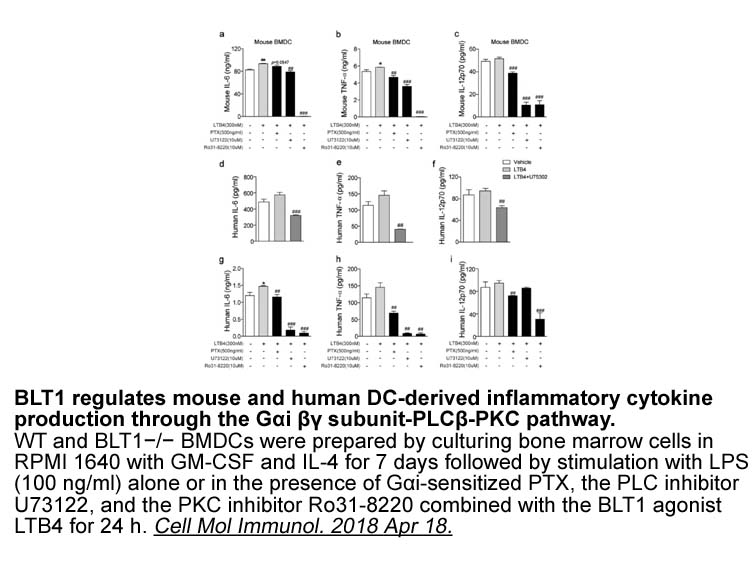
During the entire life of individual, articular chondrocyte as well as subchondral bone receives acute or chronic stress. Joints homeostasis is maintained by biomechanical stress, as rapid loss of proteoglycan in joints occurs due to immobilization or disuse. These osteophytes are fibrocartilage cap
-
Structural changes within the heteromer induced
2020-05-28
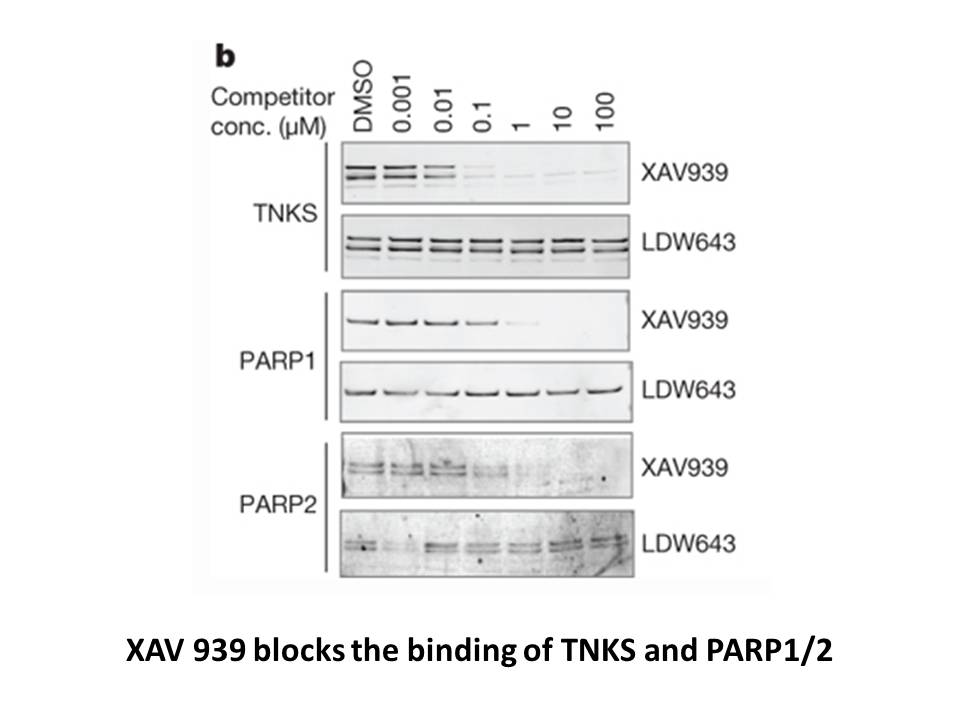
Structural changes within the heteromer induced by agonist administration show a high level of complication. The presented results obtained in quantitative FLIM-FRET measurements with two selective ligands match the qualitative conclusions indicated by changes in the intracellular calcium level. The
-
Table summarizes the literature data available on the occurr
2020-05-27

Table 4 summarizes the literature data available on the occurrence of these two cholesterol absorption inhibitors of steroidal compounds in sludge and sediments. In activated and digested sewage sludge, the concentrations of ethynyl estradiol (17 ng/g), estrone (37 ng/g ), and estradiol (49 ng/g)
-
In countries such as China
2020-05-27
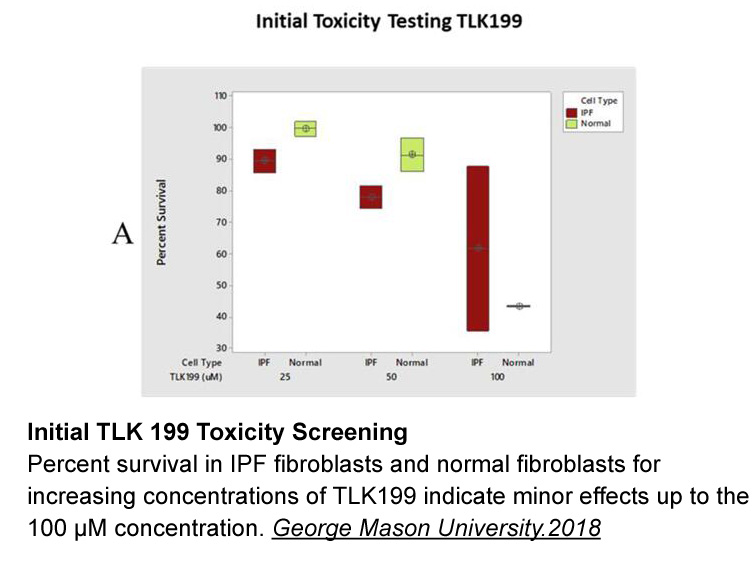
In countries such as China where there is a high commercial production of rice, the use of rice husk ash (RHA) as an alternative cementing material can become a great asset for environmental rehabilitation and address the difficult disposal issues associated with this agricultural waste [23]. RHA po
-
The transcription factor CREB has been
2020-05-27

The transcription factor CREB has been extensively studied for its role in hippocampus-dependent learning and memory (West et al., 2002, Lonze and Ginty, 2002). Previous research has demonstrated that the phosphorylation of CREB at Ser133, performed by the ERK1/2 signaling pathway, initiates a casca
-
Numerous studies have investigated the contribution of N
2020-05-26
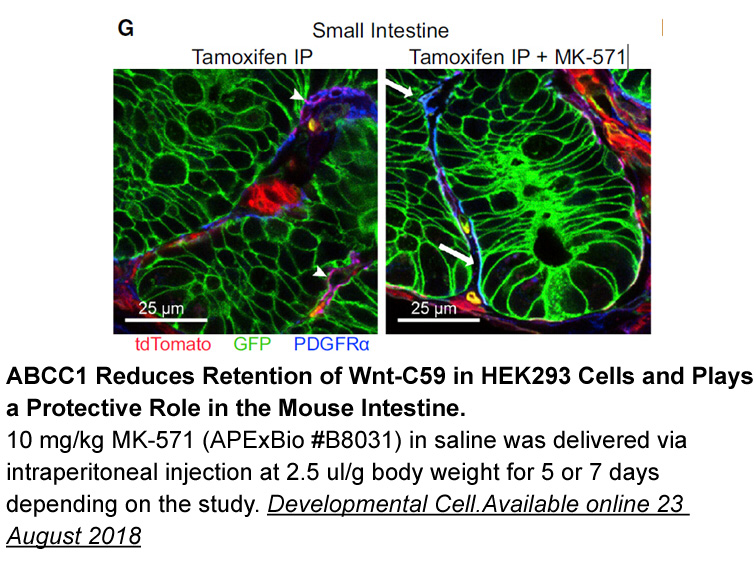
Numerous studies have investigated the contribution of N-cadherin to metastasis and tumorigenesis. The overexpression of N-cadherin has been shown to enhance tumor invasion and motility in multiple cancer models [25,40,48]. Transforming growth factor beta 1 (TGFβ1) is a strong EMT inducer. In fact,
-
Protein deubiquitination is becoming increasingly instrument
2020-05-26

Protein deubiquitination is becoming increasingly instrumental in understanding the complexities of the Ub system. Adding to this complexity is the discovery of bacterial effectors with DUB activity that have structurally adapted themselves to interfere with the eukaryotic Ub system (Pruneda et al.,
-
In our recent study we
2020-05-26
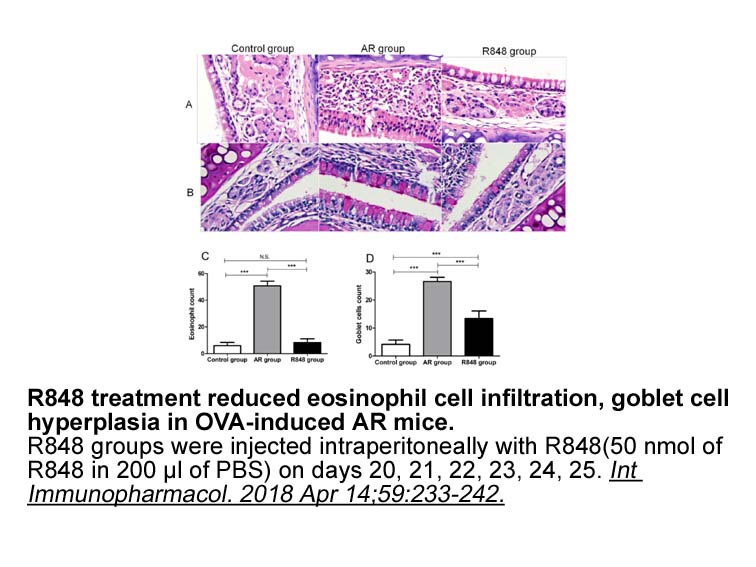
In our recent study, we established a procedure to examine the chromatin binding of XRCC4 using a biochemical fractionation analysis using a detergent Nonidet P-40 [22]. In this study, we investigated the role of LIG4 and its subdomains in the recruitment of XRCC4/LIG4 complex to chromatin. Mater
16739 records 875/1116 page Previous Next First page 上5页 871872873874875 下5页 Last page