Archives
- 2026-10
- 2026-09
- 2026-08
- 2026-07
- 2026-06
- 2026-05
- 2026-04
- 2026-03
- 2026-02
- 2026-01
- 2025-12
- 2025-11
- 2025-10
- 2025-09
- 2025-03
- 2025-02
- 2025-01
- 2024-12
- 2024-11
- 2024-10
- 2024-09
- 2024-08
- 2024-07
- 2024-06
- 2024-05
- 2024-04
- 2024-03
- 2024-02
- 2024-01
- 2023-12
- 2023-11
- 2023-10
- 2023-09
- 2023-08
- 2023-07
- 2023-06
- 2023-05
- 2023-04
- 2023-03
- 2023-02
- 2023-01
- 2022-12
- 2022-11
- 2022-10
- 2022-09
- 2022-08
- 2022-07
- 2022-06
- 2022-05
- 2022-04
- 2022-03
- 2022-02
- 2022-01
-
NMS-1286937 sale br Future view and implications The selecti
2022-10-26
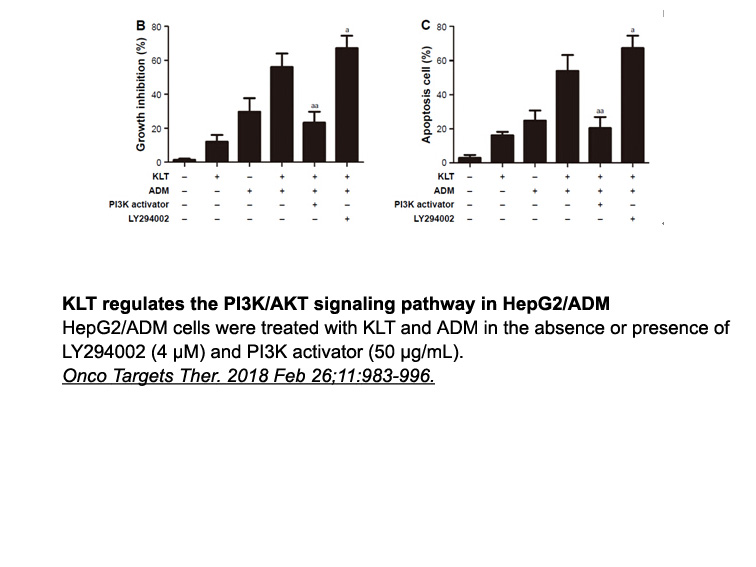
Future view and implications The selection and spread of multi(drug)-resistant microorganisms over the last decades has become a major and global public health concern [35]. Two growing threats originating from the fungal kingdom, i.e. Aspergillus fumigatus and Candida auris[36], [37], re-emphasi
-
br Potential and established risk factor for Alzheimer
2022-10-25

Potential and established risk factor for Alzheimer’s Disease The only way to overcome the above mentioned limitations is the identification of risk factors, which, taken together, can reliable predict the development of AD. Age and ApoE4 are established non-modifiable risk factors for AD. The ri
-
br Materials and methods br Results and
2022-10-25
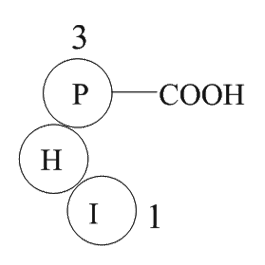
Materials and methods Results and discussion Conclusions In this study, for the first time to the best of our knowledge, the stability of pure hsALDH has been studied under various conditions. The enzyme exhibited low storage stability both at 4°C and 25°C, which could be improved to a good
-
Microbe derived ligands can also
2022-10-25
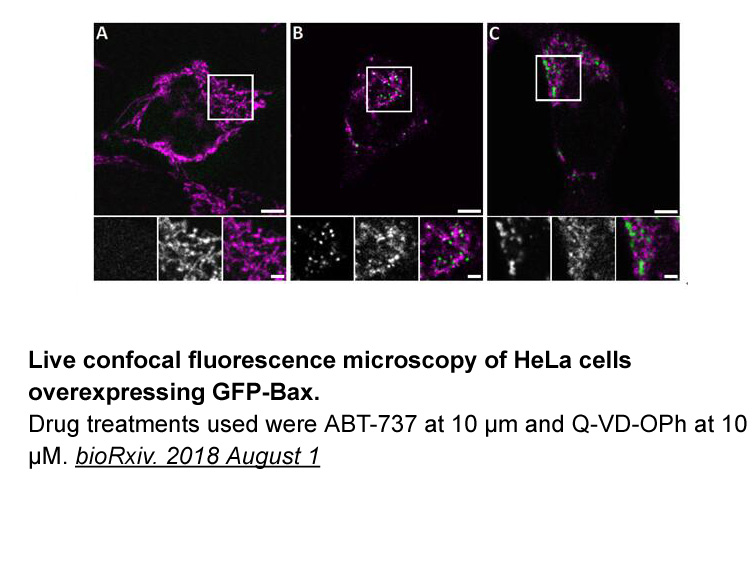
Microbe-derived ligands can also activate AHR. Malassezia, a commensal yeast in human skin, can metabolize tryptophan into several AHR activating compounds including FICZ and ICZ [59]. Lactobacillus converts tryptophan into indole-3-aldehyde (IAld), which can activate AHR and promote IL-22 productio
-
It is worth mentioning that cordycepin
2022-10-25
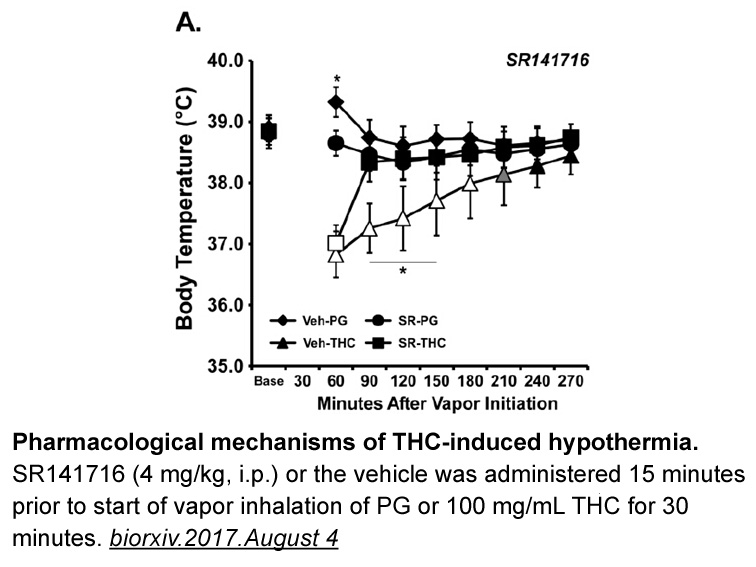
It is worth mentioning that cordycepin, as an adenosine analogue, is structurally similar to adenosine. A previous study has shown that the anti-apoptotic effects of cordycepin are partially dependent on the activation of A1R [16], and cordycepin increases theta waves power density via nonspecific a
-
br There are three types of HT receptors HT A
2022-10-25
There are three types of 5-HT2 receptors. 5-HT2A, 5-HT2B and 5-HT2C receptors Exhibit 46–50% overall sequence identity and couple preferentially to Gq/11 to increase inositol phosphates and cytosolic [Ca2+] and in agreement with their long known role in muscle contraction and stimulation in the br
-
kasugamycin In young animals the HT A receptor antagonist
2022-10-25
In young animals, the 5-HT2A kasugamycin antagonist ketanserin, at relatively low concentrations, shifted 5-HT concentration-response curves rightward, suggesting a role for 5-HT2A receptors in mediating 5-HT-induced contractions of the ureter. The slopes of the ketanserin Schild plots for the anta
-
The diagnosis of ICP is
2022-10-25
The diagnosis of ICP is currently based on the presence of pruritus, raised fasting serum TBS levels above 10μmol/L, and/or elevated serum transaminases (in the absence of diseases that cause cholestasis or pruritus) as well as spontaneous relief of signs and symptoms within four to six weeks after
-
br Acknowledgment br Introduction The
2022-10-25
Acknowledgment Introduction The yeast Cdc48 ATPase and its metazoan ortholog p97 (or VCP) are critical components of many ubiquitin-dependent cellular pathways that require the segregation of individual proteins from binding partners or membranes (for review, see Buchberger, 2013, Meyer and We
-
Inactivation of the proton pump comes with luminal alkaliniz
2022-10-25
Inactivation of the proton pump comes with luminal alkalinization of the targeted vesicles such as lysosomes (Fig. 2b). Lysosome pH can also be raised stoichiometrically by addition of a membrane-permeable weak GDC-0834 such as methylamine or chloroquine which accumulates in its protonated, non-memb
-
br Introduction In the past two decades graphene
2022-10-25
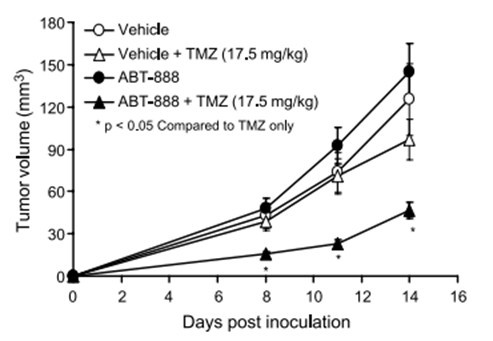
Introduction In the past two decades, graphene and graphene based nanomaterials with unique physicochemical properties have attracted great attentions in many fields including biomedicine and biotechnology. Graphene oxide (GO) and its derivatives have shown promising potential as biological and c
-
Finally not only can ERs pair with different mGluRs in
2022-10-25
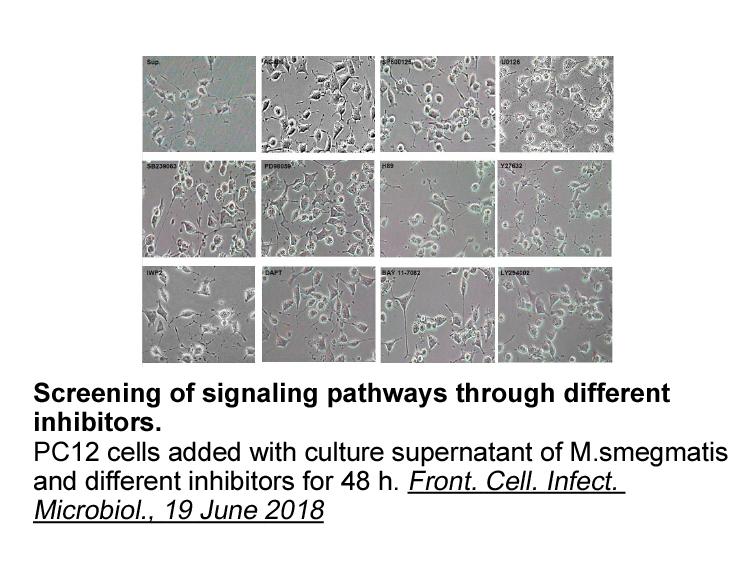
Finally, not only can ERs pair with different mGluRs in different ahr inhibitor regions, but it is becoming increasingly clear that the same mGluRs can pair with distinct downstream signaling partners to have differential effects both within and across brain regions (Gross et al., 2016; Mannaioni e
-
Reactive oxygen species is an aspect of oxidative stress
2022-10-25
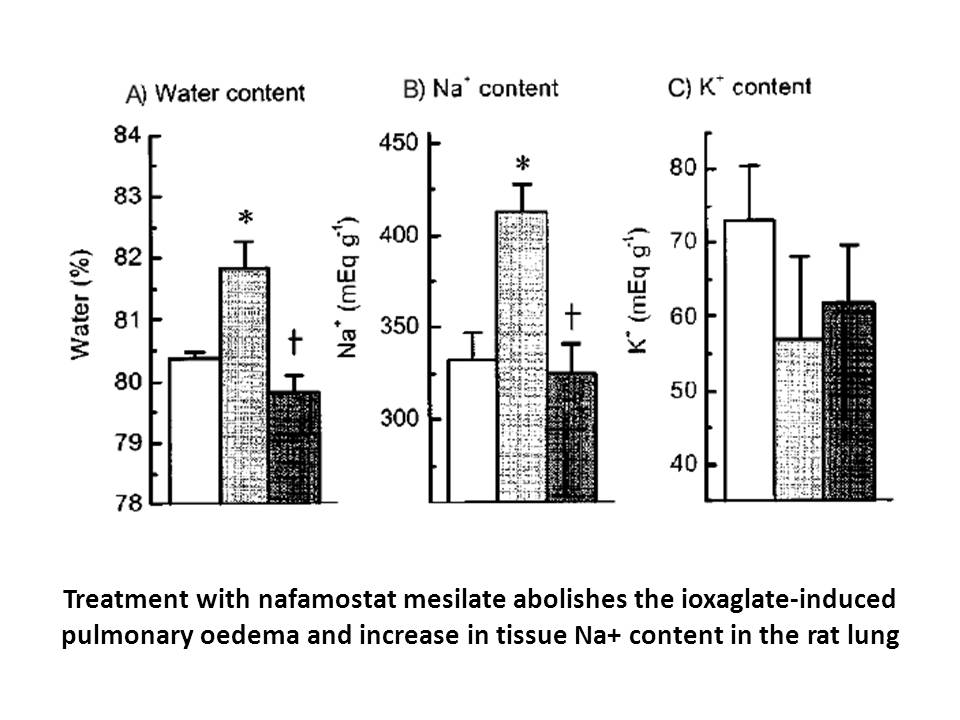
Reactive oxygen species is an aspect of oxidative stress which are associated with many diseases such as rheumatoid arthritis, diabetes, inflammation, atherosclerosis and cancers (Collins, 2005; Halliwell, 1994). Thus, the need for naturally occurring antioxidants is of crucial importance. Some biop
-
br Materials and methods br Results In
2022-10-25
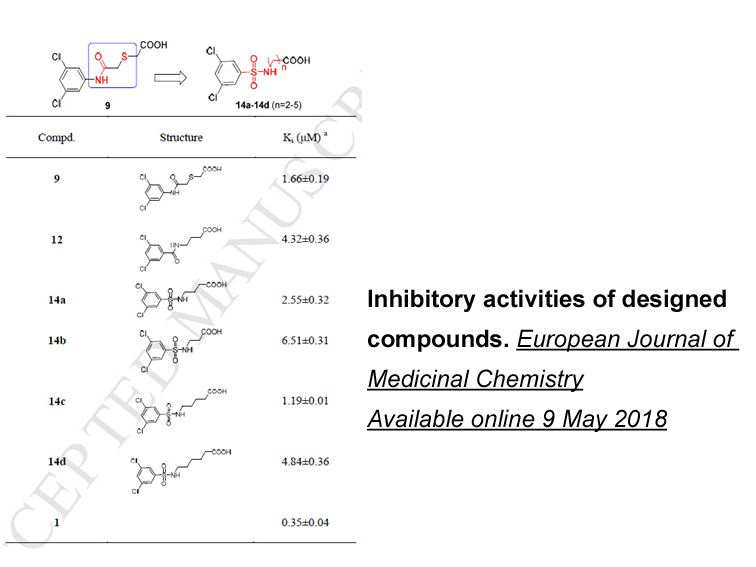
Materials and methods Results In order to evaluate changes in the amount of PKC-θ expressed by MEL cells at different stages of the cell cycle, we measured the level of the kinase in cells collected from cultures containing 90% of cells in the interphase or 80% cells synchronized at the metaph
-
We also explored the possibility that this PKC
2022-10-25
We also explored the possibility that this PKC-θ activating protein could operate on the auto-phosphorylation process of the kinase, a specific event accompanying PKC activation [32]. The heated PKC-θ immunoprecipitate from metaphasic cells was then added to PKC-θ isolated both from interphasic or m
8422 records 413/562 page Previous Next First page 上5页 411412413414415 下5页 Last page